
A short history of Dunster
From Domesday's Torre to the Luttrells and the National Trust: how Dunster's castle, priory church and Yarn Market came to be.
A village shaped by centuries
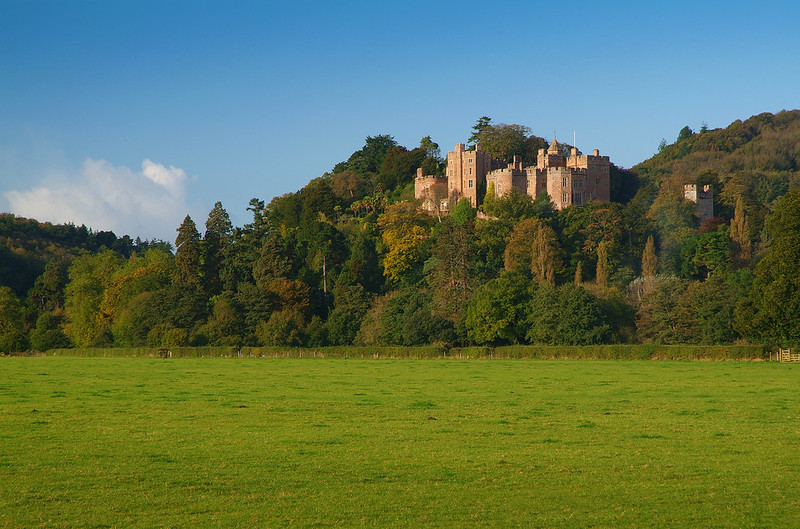
Domesday Book, in 1086, records the place as Torre, after the tor where the castle now stands. Settlement here is older.
The Yarn Market
The Yarn Market, built around 1609, is the best reminder of Dunster's cloth trade. See the village landmarks →
The Priory Church of St George
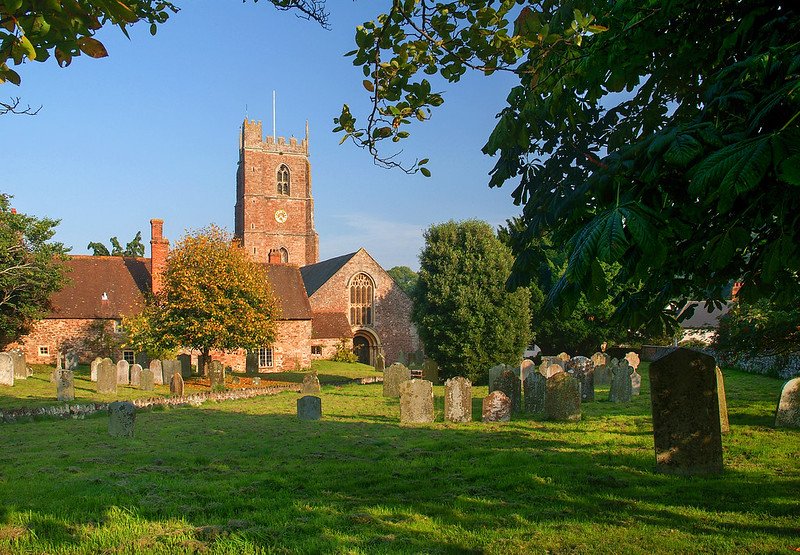
There was probably a church here in Saxon times. After the Norman Conquest, William de Mohun took Dunster and founded a small Benedictine priory, a cell of Bath Abbey.
The monks began the priory church, now St George's, in about 1097.
Norman work survives in the north wall, the west door and two tower piers. Most of what you see is Perpendicular over Early English, with Victorian additions.
The High Street
Compare the High Street with photographs from the 1800s and little has changed. Look for the old Butter Cross at the top of St George's Street.
Protected heritage
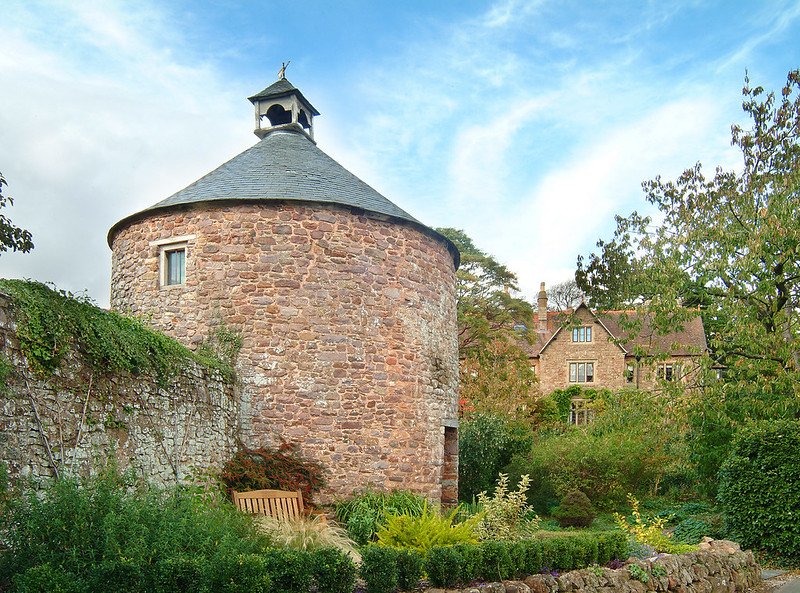
Dunster has more than 200 listed buildings, a handful of them Grade I or II*.
A legacy of division
In 1499, after a dispute between monks and townspeople, the church was split in two: a chapel for the monks to the east, and a parish church to the west.
The rood screen that marked the division still runs the full width of the church. It is one of the longest in England.
The de Mohun family
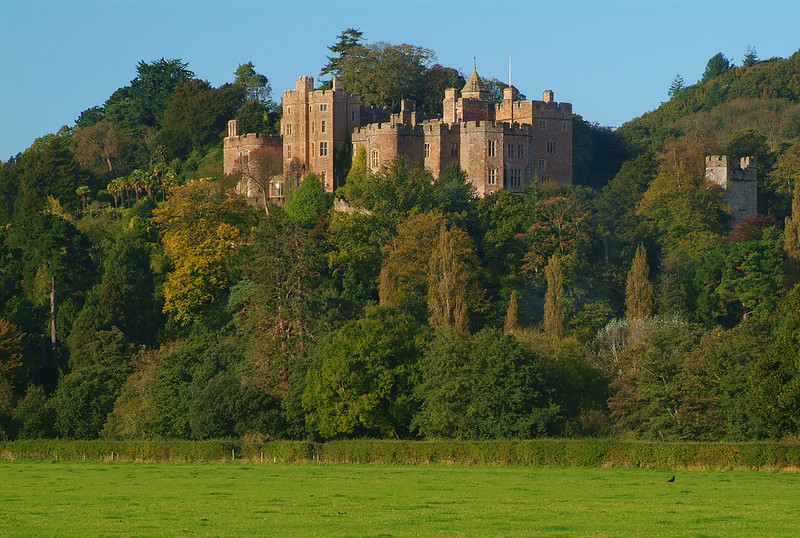
The de Mohuns built the first castle on the tor. In 1376 Lady de Mohun sold it to the Luttrells, who kept it for 600 years before giving it to the National Trust in 1976.
Anthony Salvin remodelled it in 1868–72.
Discover Dunster's heritage
Plan your visit
Opening arrangements, timetables and event programmes can change. Check your actual visit date with the operator.